Enhancing Cinematic Engagement: Customization and Content Management in Indoor LED Cinema VMS
3 min read
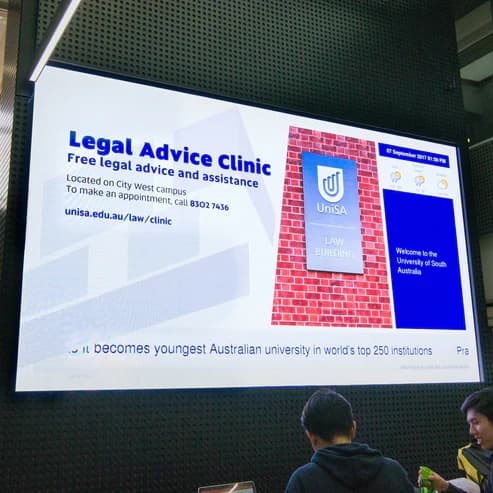
The adaptability of indoor LED cinema VMS plays a critical role in transforming cinema lobbies and halls into dynamic, engaging spaces. Beyond mere information dissemination, these systems offer extensive customization and content management options, allowing cinemas to craft unique experiences for their audiences. This section explores the depth of customization available and the tools cinema operators can utilize to manage content effectively.
Customization Options
The ability to customize the display and presentation of content on indoor LED cinema VMS is vital for cinemas looking to differentiate themselves and enhance brand identity. Customization can take various forms:
Visual Customization
Themes and Branding: Cinemas can incorporate their brand elements, such as logos and color schemes, into the VMS content, ensuring consistency across all customer touchpoints.
Layouts and Designs: Operators can choose from multiple layouts and designs or create bespoke ones to suit different types of content, from movie posters to schedules and special announcements.
Content Customization
Dynamic Content: The content displayed can range from static images and text to dynamic elements like trailers, countdowns to movie premieres, and real-time ticket availability.
Interactive Content: Some systems allow for interactive content, such as touch-screen directories or quizzes related to current movies, increasing engagement and providing entertainment beyond the screen.
Content Management Options
Effective content management is key to maximizing the potential of indoor LED cinema VMS. With the right tools, cinemas can ensure that their content is not only current but also resonates with their audience.
Content Management Systems (CMS)
A robust CMS is at the heart of content management for indoor LED cinema VMS. These systems offer:
Scheduling: Cinemas can schedule content to be displayed at specific times, automating the process of content rotation and ensuring relevance.
Remote Management: Content updates can be made remotely, allowing for swift changes to respond to last-minute schedule adjustments or promotional opportunities.
Multi-Screen Management: For cinemas with multiple screens, the CMS can coordinate content across all displays, creating a cohesive experience throughout the venue.
Analytics and Feedback
Some advanced VMS setups offer analytics and feedback mechanisms, providing insights into audience engagement with the displayed content. This data can inform future content strategies, ensuring that the cinema remains aligned with its audience's preferences.
Conclusion
The customization and content management capabilities of indoor LED cinema VMS offer cinemas a powerful tool to captivate and engage their audiences. By leveraging these features, cinemas can create immersive environments that extend the magic of the movies beyond the auditorium, into every corner of their venue. As technology advances, the potential for innovative uses of VMS in cinemas will continue to grow, promising even more exciting developments in the future of cinematic experiences.