LCD Digital Signage VMS in Outdoor Environments: Challenges and Solutions
3 min read
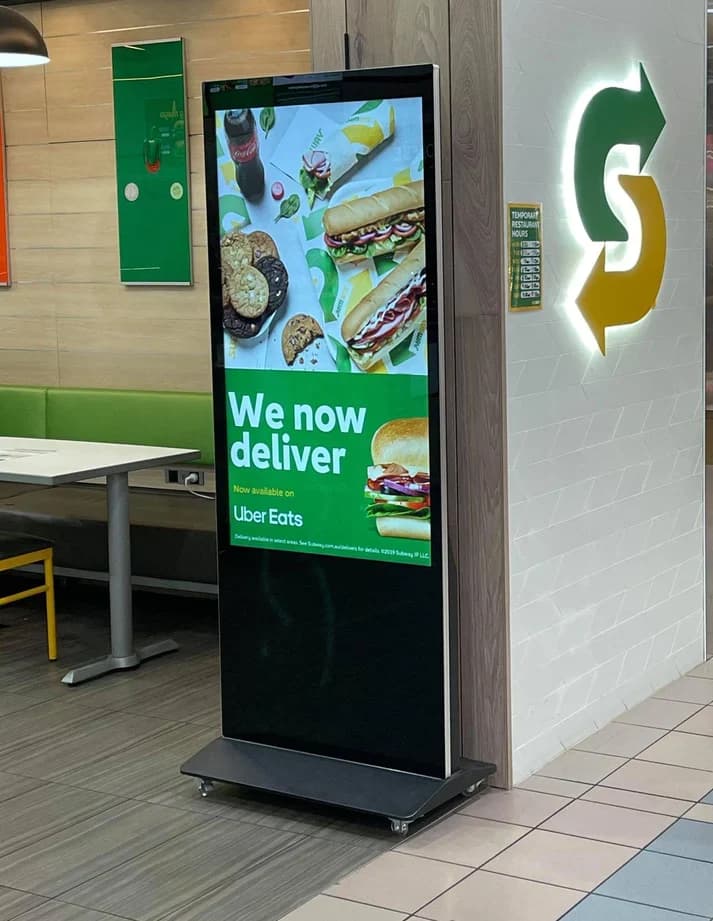
While LCD (Liquid Crystal Display) technology is a popular choice for indoor digital signage due to its sharp image quality and energy efficiency, deploying these systems outdoors presents unique challenges. Key concerns include visibility in direct sunlight, durability against weather elements, and maintaining operational efficiency. Here’s how LCD digital signage VMS addresses these issues in outdoor settings.
Enhancing Visibility in Bright Conditions
High-Brightness Displays
Increased Luminance: To combat the challenge of direct sunlight, outdoor LCD screens are designed with significantly higher brightness levels, often exceeding 2,000 nits (a measure of luminance), compared to standard indoor screens which typically range around 300 to 500 nits. This ensures that the content remains visible even in bright outdoor conditions.
Anti-Reflective and Anti-Glare Technology
Surface Treatments: LCD screens intended for outdoor use are equipped with anti-reflective and anti-glare coatings. These treatments reduce reflections caused by direct sunlight and other light sources, improving visibility and readability.
Weatherproofing and Durability
Enclosures and IP Ratings
Protection Against Elements: Outdoor LCD VMS are housed in robust enclosures that provide protection from rain, dust, and extreme temperatures. These enclosures are rated using the IP (Ingress Protection) system, which denotes the level of sealing effectiveness against intrusions such as dust and moisture. High IP ratings, such as IP65 or IP66, indicate that the display is well-protected against environmental conditions.
Temperature Control Systems
Regulating Internal Conditions: To ensure continuous operation in varying temperatures, outdoor LCD displays are often equipped with internal heating and cooling systems. These systems maintain the internal temperature within operational limits, preventing overheating in summer and freezing in winter.
Power Efficiency and Longevity
LED Backlighting
Energy-Efficient Operation: Outdoor LCD screens utilize LED backlighting, which not only contributes to higher brightness levels but also enhances energy efficiency. LED technology offers a longer lifespan and lower power consumption compared to traditional backlighting methods.
Durable Components
Built to Last: Components used in outdoor LCD VMS are selected for their durability and longevity. This includes the use of high-quality LCD panels, power supplies, and connectivity options designed to withstand prolonged exposure to outdoor conditions.
Conclusion
Adapting LCD technology for outdoor digital signage VMS involves addressing the challenges of visibility, weather resistance, and operational efficiency. Through advancements in display technology, including high-brightness screens, anti-reflective coatings, weatherproof enclosures, and temperature control systems, LCD digital signage can be effectively deployed in outdoor environments. While outdoor LCD screens may require additional considerations and investments compared to their indoor counterparts, their ability to deliver clear, accurate, and engaging content in diverse conditions makes them a valuable tool for outdoor communication and advertising strategies.