The Advantages of LED Technology in Variable Message Signs (VMS)
3 min read
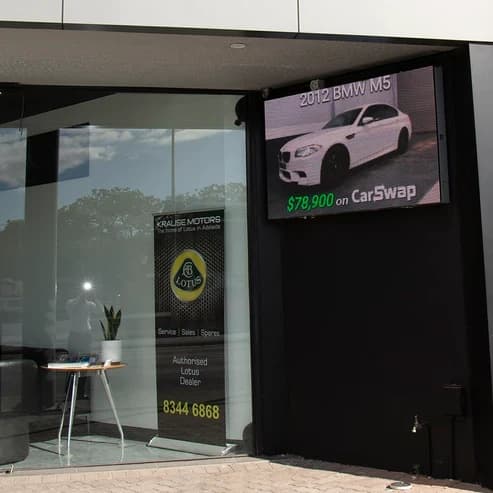
The adoption of Light Emitting Diode (LED) technology in Variable Message Signs (VMS) has revolutionized how information is conveyed in public spaces, on roadways, and at events. LED technology stands out for its efficiency, durability, and clarity, making it the preferred choice over traditional display methods. This section explores the benefits of LED in VMS and compares it to other display technologies.
Benefits of LED Technology
High Brightness and Visibility
Superior Visibility: LED displays offer unparalleled brightness, which is crucial for outdoor VMS where visibility under direct sunlight is essential. LEDs can produce intense light that remains clear and legible from long distances and in various lighting conditions.
Adjustable Brightness: LED screens can adjust their brightness levels based on ambient light conditions, ensuring optimal visibility day and night while conserving energy when full brightness isn't necessary.
Energy Efficiency
Lower Power Consumption: LEDs require significantly less power than traditional lighting options, such as incandescent or fluorescent bulbs. This efficiency translates to lower operating costs and a reduced environmental impact over the lifetime of the VMS.
Long Lifespan: LED units boast a longer lifespan, often exceeding 100,000 hours of operation. This durability reduces the need for frequent replacements and maintenance, further contributing to cost savings and sustainability.
Flexibility and Versatility
Dynamic Content Display: Unlike static signs, LED VMS can display a wide range of dynamic content, including text, graphics, animations, and videos. This versatility makes LED VMS ideal for various applications, from traffic alerts to advertising and event information.
Customizable Sizes and Shapes: LED panels can be configured into virtually any size or shape, offering flexibility in design and application. This adaptability allows for creative installations and precise fits for specific locations.
Comparison with Other Display Technologies
LCD (Liquid Crystal Display)
Indoor Use: While LCDs are prevalent in indoor applications due to their high resolution and color accuracy, they struggle with visibility in bright outdoor environments. LEDs, with their higher brightness levels, are better suited for outdoor VMS applications.
Energy Consumption: LCDs typically consume more power than LEDs, especially when scaled up for large-format displays, making LED the more energy-efficient choice for VMS.
Incandescent and Fluorescent Displays
Brightness and Efficiency: Incandescent and fluorescent displays cannot match the brightness and energy efficiency of LEDs. They also have shorter lifespans and require more maintenance, making them less cost-effective in the long run.
- **Environmental Impact**: Both incandescent and fluorescent bulbs contain materials that are more harmful to the environment compared to LEDs, highlighting the eco-friendly advantage of LED technology.
Conclusion
The benefits of LED technology in Variable Message Signs are clear, from superior brightness and visibility to unmatched energy efficiency and versatility. As technology continues to evolve, the gap between LED and other types of displays widens, solidifying LED's position as the optimal choice for VMS across a myriad of applications. Whether for traffic management, public information, or event signage, LED-based VMS offer a combination of performance, sustainability, and adaptability that other technologies simply cannot match.