Understanding Trailer-Mounted VMS Screens: A Comprehensive Guide
3 min read
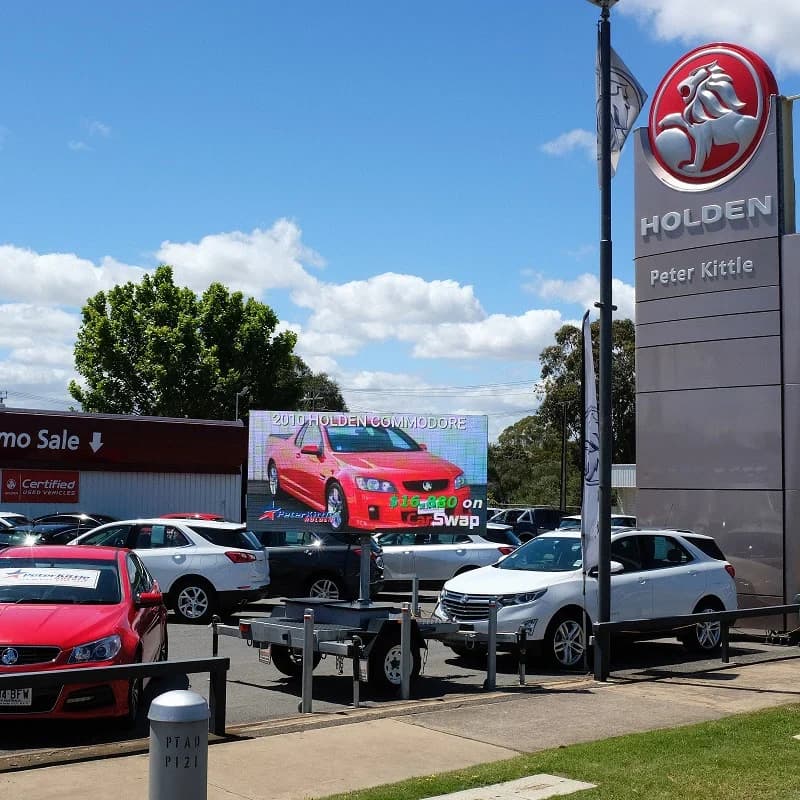
In the realm of dynamic traffic management and event coordination, trailer-mounted Variable Message Signs (VMS) stand out as a versatile and effective communication tool. These mobile signs play a crucial role in guiding traffic, conveying safety messages, and providing real-time updates to the public. This article delves into the workings of trailer-mounted VMS screens, exploring their features, benefits, and the technology that powers them.
Introduction
Trailer-mounted VMS screens have become ubiquitous across urban and rural landscapes, offering a flexible solution to the ever-changing needs of traffic management and public information dissemination. Their ability to display a variety of messages - from roadwork warnings to event directions - makes them an invaluable asset for authorities and event organizers alike.
How Do Trailer-Mounted VMS Screens Work?
At the heart of trailer-mounted VMS technology is a combination of LED or LCD panels, solar power systems, and advanced communication interfaces. These components work together to deliver clear, visible messages under varying environmental conditions. Here's a breakdown of the key elements that make up a trailer-mounted VMS screen:
Display Technology
Trailer-mounted VMS screens typically utilize high-intensity LED (Light Emitting Diode) arrays to ensure maximum visibility, even in direct sunlight. LEDs are chosen for their energy efficiency, longevity, and brightness, which are essential qualities for outdoor displays. The LED arrays are configured to support a range of characters and symbols, allowing for the display of diverse messages.
Power Supply
One of the defining features of trailer-mounted VMS is their ability to operate independently of external power sources. This autonomy is achieved through a combination of solar panels, rechargeable batteries, and, in some cases, backup generators. Solar panels provide a renewable energy source, charging the batteries during the day to power the screen. This setup ensures that the VMS can function continuously, even in remote locations.
Communication and Control
Modern trailer-mounted VMS screens are equipped with wireless communication capabilities, enabling remote operation and message updates. Operators can change the displayed message via secure software applications, either from a central control room or remotely using mobile devices. This flexibility allows for the quick dissemination of critical information, adapting to real-time changes in traffic patterns or event schedules.
Portability and Deployment
The trailer-mounted aspect of these VMS screens offers unparalleled portability and ease of deployment. Mounted on sturdy trailers, these signs can be towed to any location, set up within minutes, and repositioned as required. This mobility is particularly beneficial for temporary roadworks, emergency situations, and events where the flow of traffic and pedestrian movements can change rapidly.
Applications and Benefits
Trailer-mounted VMS screens are employed in a variety of scenarios, each benefiting from the adaptability and visibility of these signs. Key applications include:
Traffic Managemen: Guiding drivers through construction zones, accident scenes, or detours.
Event Coordination: Providing directions, parking information, and schedules for events.
Public Safety Messages: Alerting the public to emergency situations, weather conditions, or safety reminders.
The benefits of using trailer-mounted VMS screens are numerous, encompassing improved safety, enhanced communication, and operational efficiency. By delivering timely and relevant information, these signs help reduce confusion, manage congestion, and ensure the smooth operation of planned and unplanned events.
Conclusion
Trailer-mounted VMS screens represent a sophisticated solution to the challenges of modern traffic management and event coordination. Through a combination of advanced technology, renewable energy, and mobile design, these signs offer a dynamic and reliable method for communicating with the public. As urban areas continue to grow and the demand for efficient communication increases, the role of trailer-mounted VMS in ensuring safe and informed communities is more critical than ever.