Council approval for LED signs in Australia: what to expect
5 min read
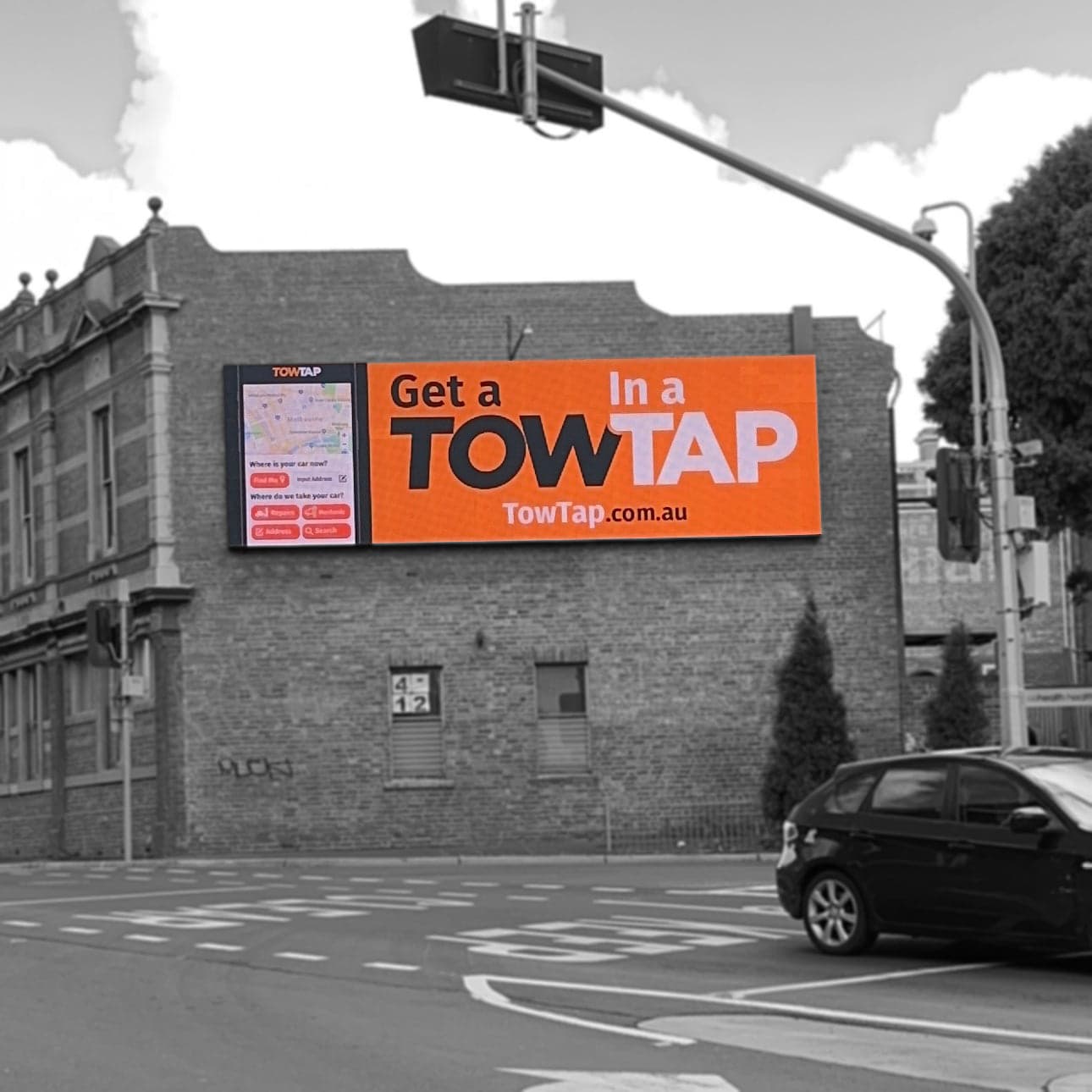
Before you order a permanent outdoor LED sign, find out whether it needs approval. In most parts of Australia a new illuminated or digital sign counts as development, and putting one up without approval can lead to a fine or an order to take it down.
This is general information, not legal advice. Rules differ between states and between councils, and they change, so always confirm with your local council before you buy.
The short answer
- A permanent outdoor LED sign usually needs a development application (DA) to your council.
- A sign facing a main road or motorway may also be referred to the state road authority.
- A trailer screen parked on your own land usually doesn't need approval, as long as it's not on the council nature strip or footpath. Check with your council if you're unsure.
- An indoor screen inside your premises generally isn't treated as an outdoor sign. A screen facing out through a shop window can be, depending on your council.
Who decides
Two groups can be involved.
Your local council assesses the sign against the local planning rules. Each state sets the framework:
- South Australia: advertisements are assessed under the Planning and Design Code, and applications are lodged through the PlanSA portal.
- New South Wales: signage is covered by the State Environmental Planning Policy (Industry and Employment) 2021, along with each council's local plans.
- Victoria: Clause 52.05 of the planning scheme sets out when a sign needs a permit.
- Other states and territories have their own planning schemes and local laws.
The state road authority comes in when a sign could distract drivers on a major road, and each one publishes its own guidelines. Examples include the NSW Transport Corridor Outdoor Advertising and Signage Guidelines, South Australia's Advertising Signs Assessment Guidelines for Road Safety, Victoria's requirements and guidelines for illuminated outdoor advertising signage, and Main Roads WA's Policy and Assessment Guidelines for Digital Advertising Signs.
What they look at
Digital signs get more scrutiny than painted ones, because they're bright and they change. Expect questions about:
- Size and height, and how the sign fits the building and the street
- Zone: commercial areas are usually easier than residential or heritage areas
- Brightness, including limits at night and automatic dimming
- Dwell time: how long each image stays on screen before it changes
- Transitions: how quickly one image changes to the next
- Animation and video, which are often banned on signs that drivers can see
- Location near roads: distance from traffic lights, intersections and bends
- Look-alike content: images that could be mistaken for a traffic sign or signal
- Light spill onto nearby homes
An example: the NSW transport corridor rules
To give a sense of the numbers, here's what the NSW Transport Corridor Outdoor Advertising and Signage Guidelines set for digital advertising signs in transport corridors. Other states and councils set their own limits, so treat these as an example only.
| Rule | NSW guideline |
|---|---|
| Minimum dwell time, speed limit under 80 km/h | 10 seconds |
| Minimum dwell time, speed limit 80 km/h or more | 25 seconds |
| Maximum transition time | 0.1 seconds |
| Animation, video or live broadcasts | Not allowed |
| If the display fails | Default to a black screen |
| Night-time brightness | 350 cd/m² in most zones, 200 cd/m² in the most sensitive zone |
The same guidelines also rule out content that could be mistaken for a traffic control device, and require a digital sign within 250 metres of a classified road that's visible from a school zone to hold a fixed display during school zone hours.
Brightness here is measured in candelas per square metre (cd/m²), the same unit as nits. Our brightness guide explains how signs meet night limits.
What goes into a DA
Requirements vary, but a digital sign application commonly includes:
- A site plan showing where the sign goes and how far it sits from boundaries and roads
- Elevations with the sign's dimensions and height
- A photomontage of the sign in place
- Technical details: brightness, automatic dimming and how content is controlled
- An operating plan: dwell times, transitions and hours of operation
- Structural details for free-standing signs and pylons
- Owner's consent if you don't own the property
How long it takes
Simple applications in commercial zones can move quickly. Referrals to a road authority, heritage issues or objections from neighbours all add time. Ask your council for its current timeframes before you set a launch date, and don't order a custom sign until you know it's likely to be approved.
Tips that make approval easier
- Choose a spot away from traffic lights and busy intersections where you can.
- Plan for automatic dimming from day one.
- Offer conservative dwell times and no animation on road-facing signs.
- Talk to the council's planning staff before you lodge. Many councils offer pre-lodgement advice.
Common questions
Do I need approval for an LED screen in my shop window?
It depends on your council. Some treat a screen facing out through a window as an advertisement that needs approval, and others don't. Ask before you buy.
Can my LED sign show video?
Inside your premises, generally yes. On signs that drivers can see, video and animation are often ruled out by the approval, so check your conditions.
How long does a DA for an LED sign take?
It varies with the council and the site. Referrals to a road authority add time. Ask your council for its current timeframes.
Let us handle it
Our Council LED development application service prepares and lodges the application for you. If approval is holding you up, a trailer screen on your own land can get your message out while the application is assessed.